Want to explore a historic Nagano town along the Nakasendo Trail? Narai-juku should definitely be on your list!
The Nakasendo Trail & Narai-Juku are a must-visit for the Japanese culture and history buff!
Looking to explore a historic Nagano town along the Nakasendo Trail? Narai-juku should definitely be on your list! It’s a must-visit for anyone fascinated by Japanese culture and history, with beautifully preserved Edo-period streets and traditional wooden buildings.
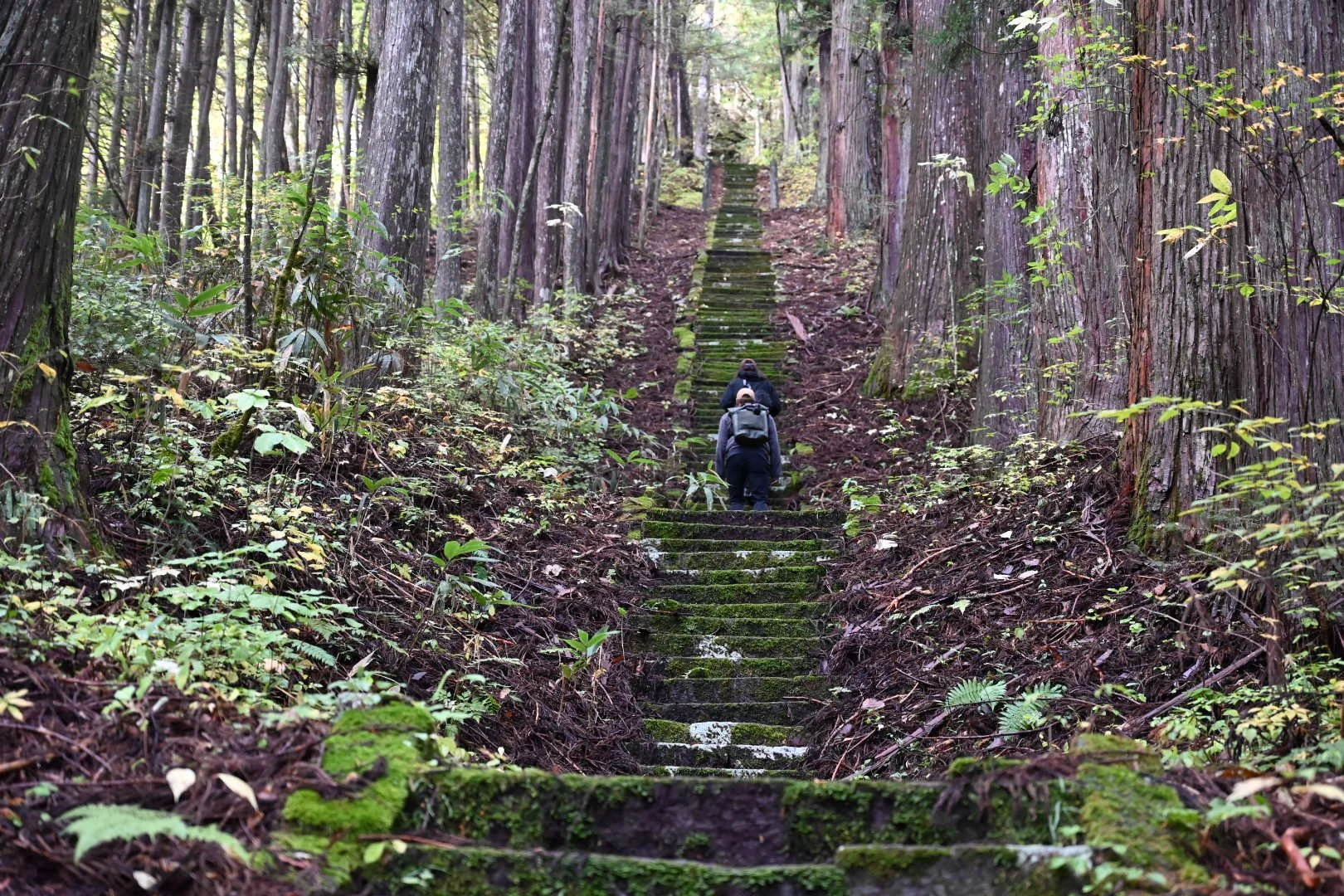
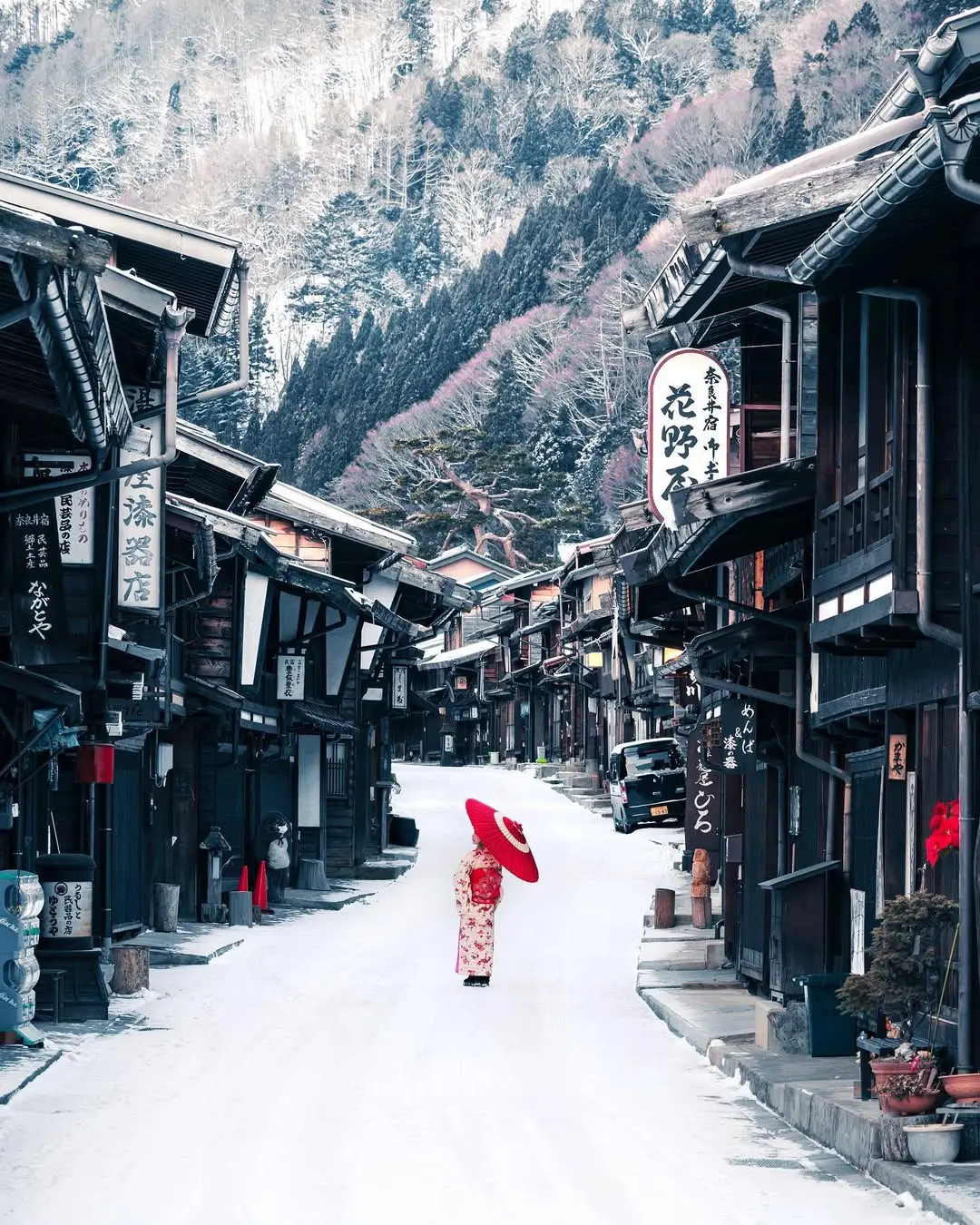
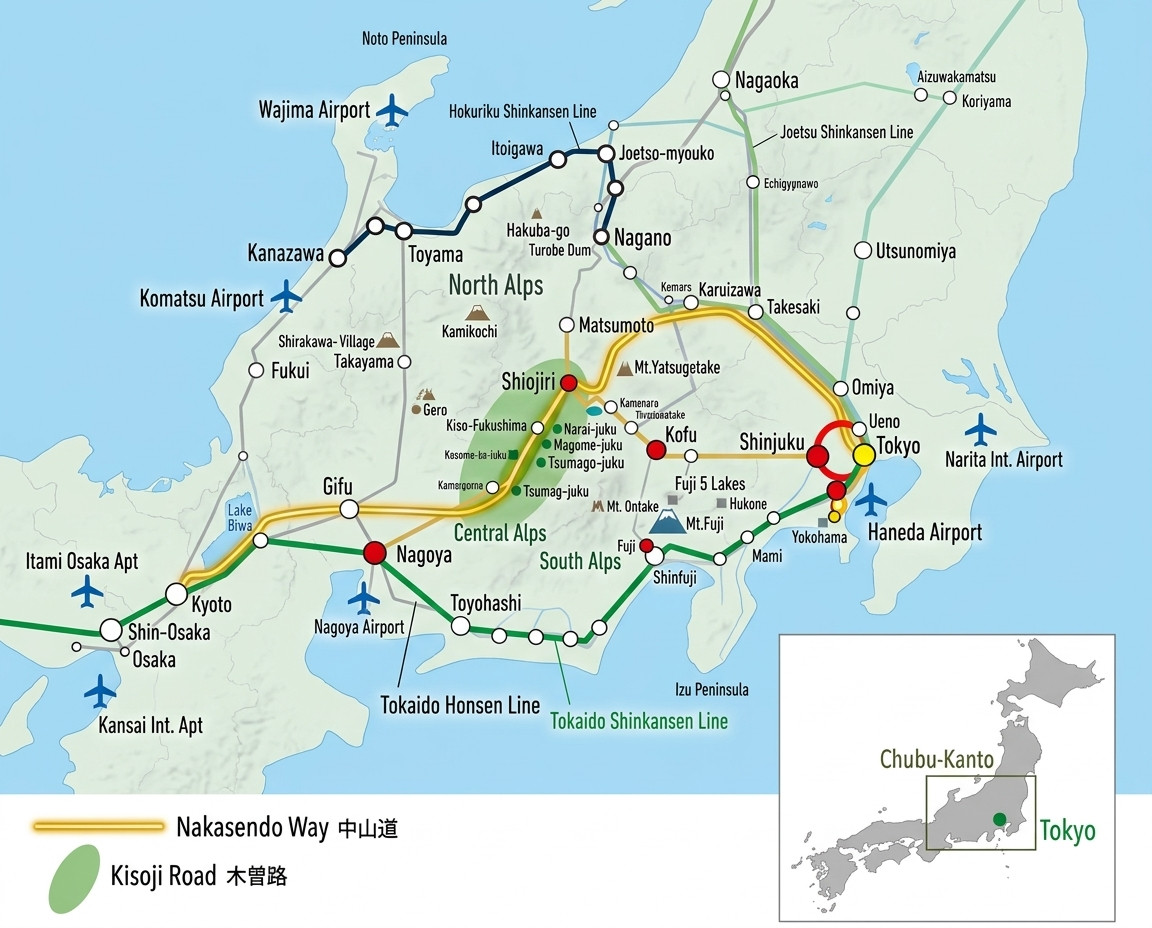
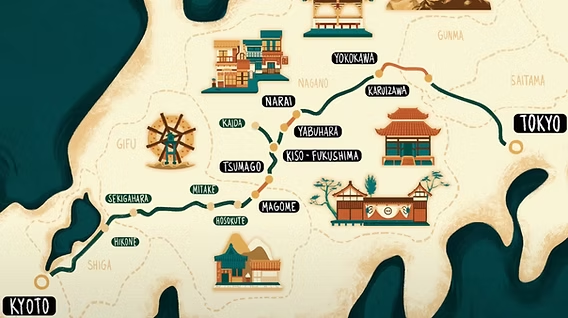
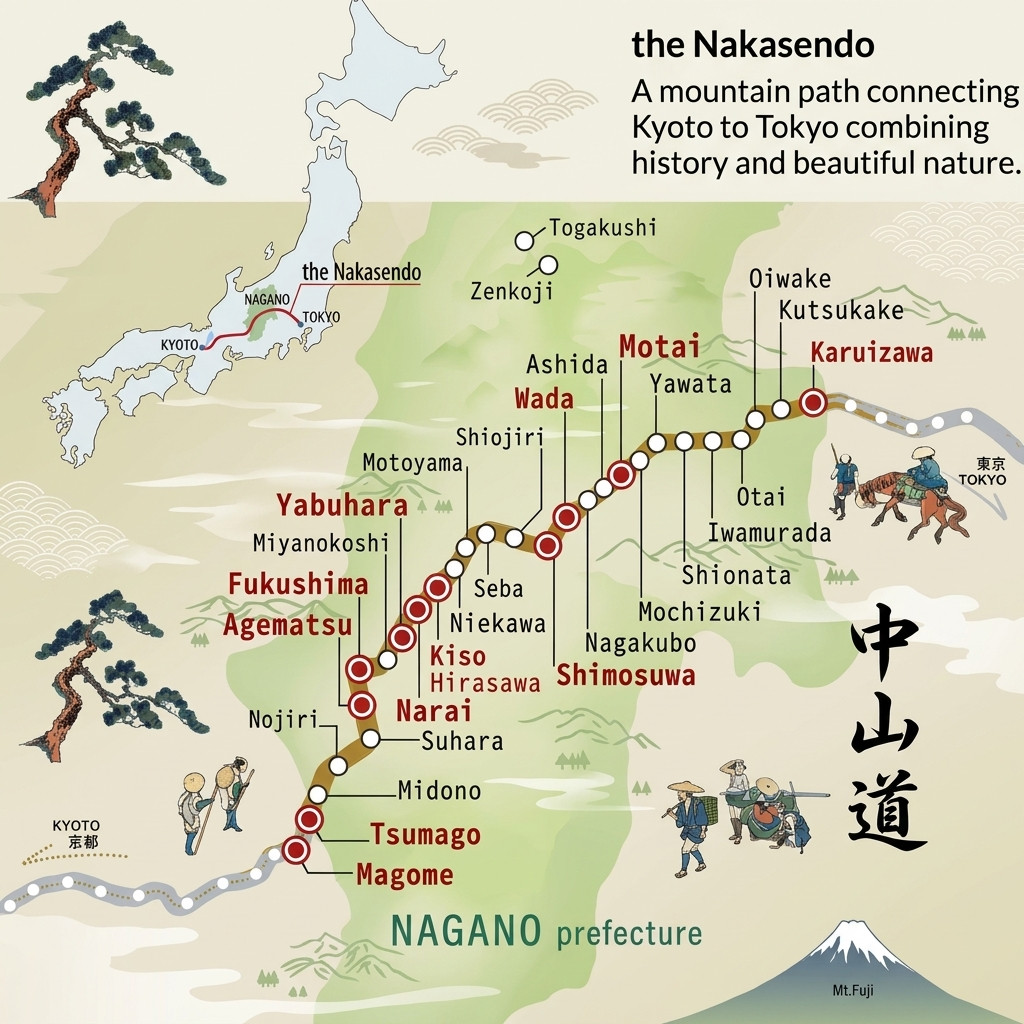
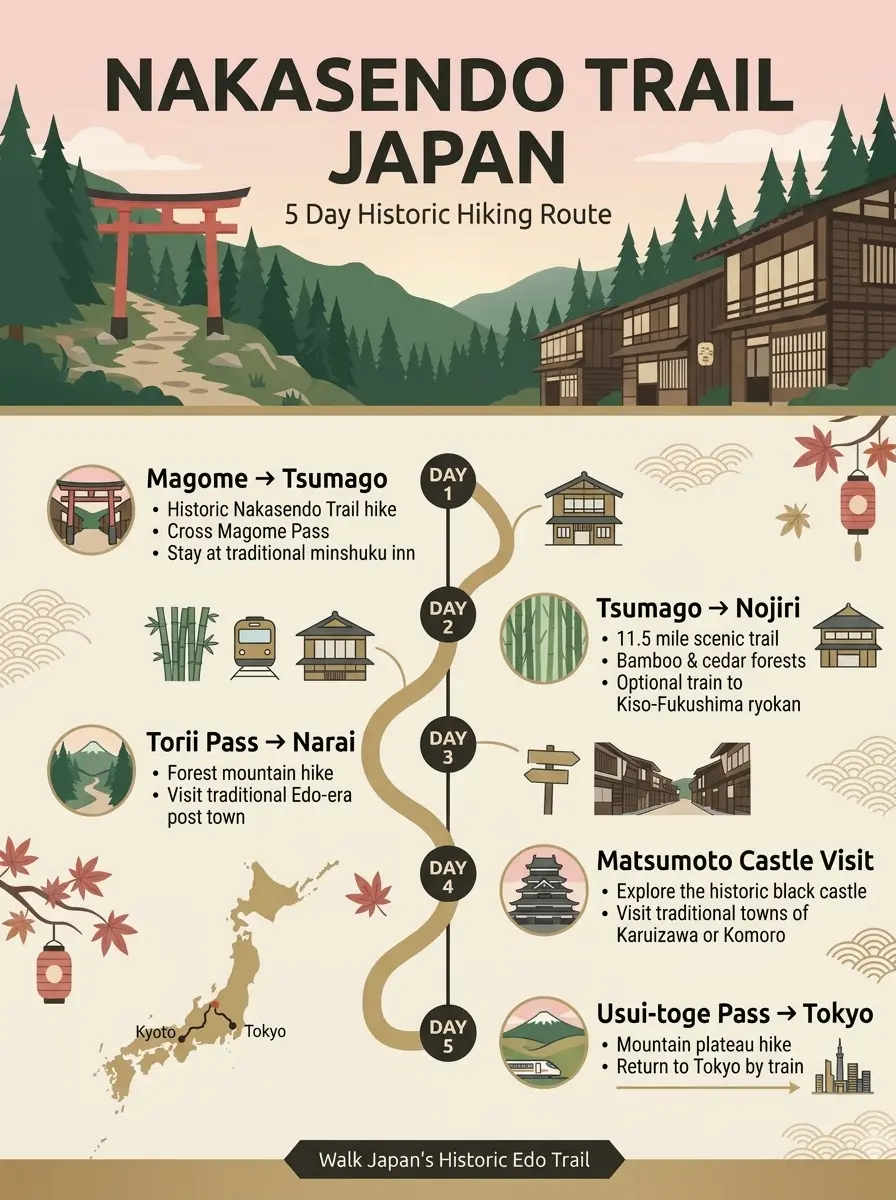
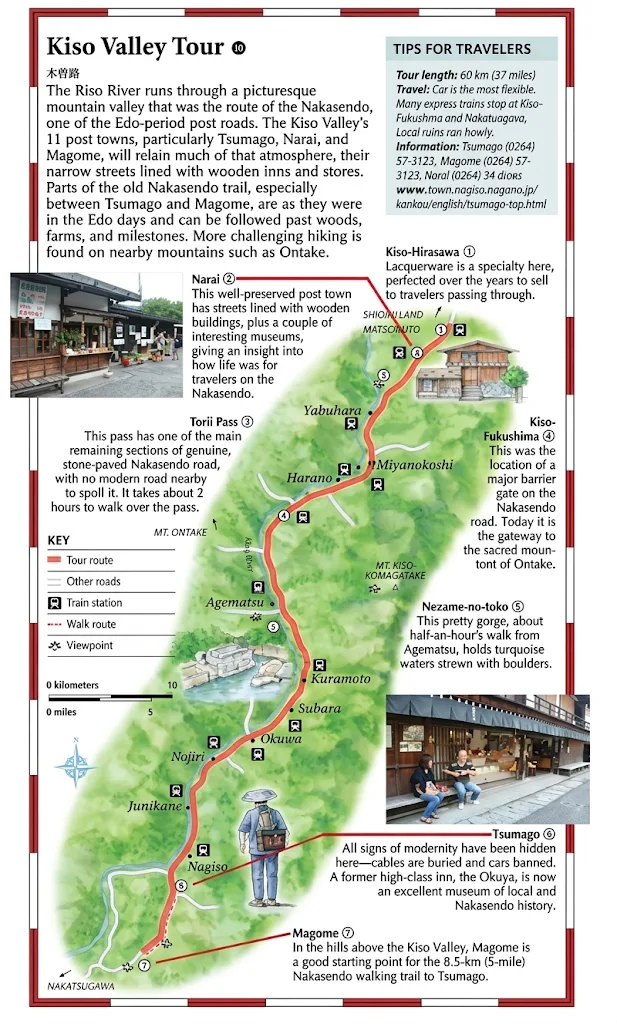
Narai-juku was one of the most important post towns along the historic Nakasendo Trail, the Edo-period route that connected Tokyo and Kyoto through the mountains of central Japan. Today, you can walk sections of the original trail through the Kiso Valley, passing through forested mountain paths, small villages, stone markers and historic post towns.
Narai-juku itself is lined with beautifully preserved wooden buildings, traditional homes, shops and temples, while nearby sections of the Nakasendō reveal a fascinating glimpse of Japan’s past. For history lovers and hikers alike, it’s one of the best places to experience the historic Nakasendō.
Other historic Nagano sites: Togakushi Village | Zenkoji Temple | Togura Kamiyamada | Matsumoto Castle | Matsushiro
Walking the Nakasendo Trail is one of the best ways to experience old Japan on foot. This historic route once linked Kyoto and Edo (now Tokyo) through the mountainous heartland, and today its best-preserved section runs about 8 kilometres between Magome and Tsumago in the Kiso Valley. Most walkers start in Magome, because the route climbs gently at the beginning and then descends toward Tsumago, which makes the day easier on the legs. Allow roughly three to four hours at a relaxed pace, and wear sturdy shoes, since the path alternates between stone paving, forest tracks and quiet country lanes.
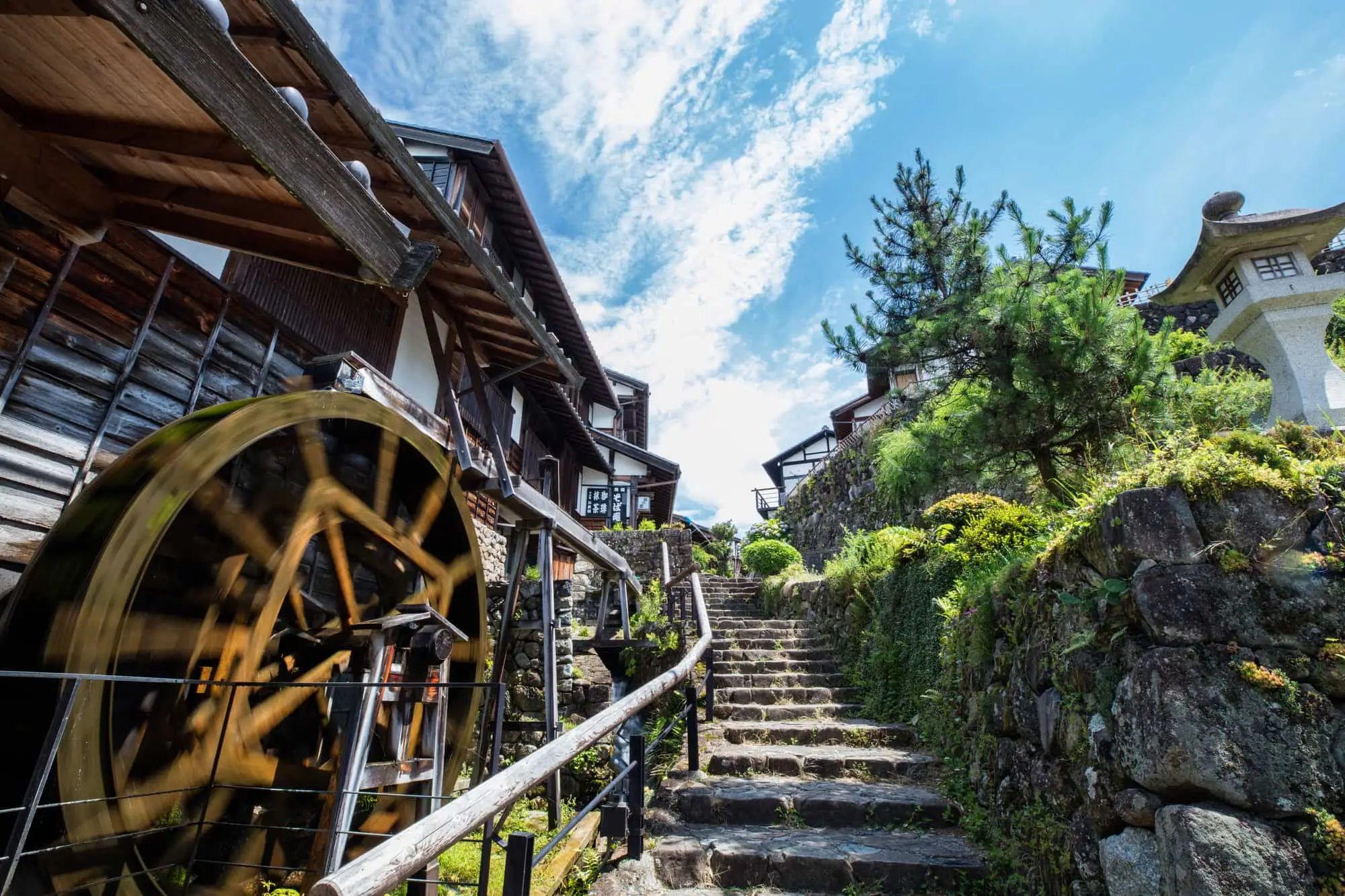
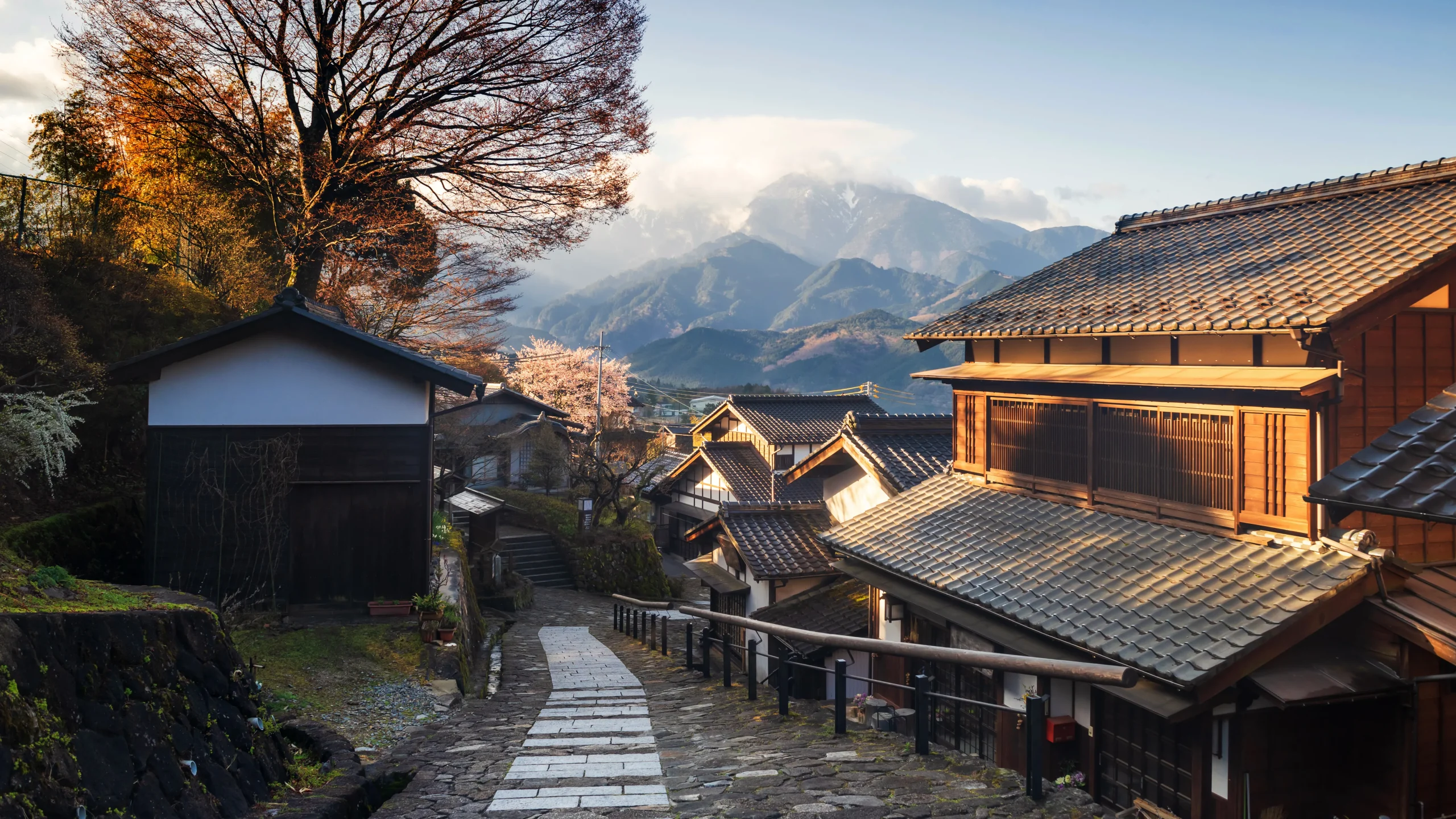
Along the way, you will find plenty of highlights worth slowing down for. First, Magome’s stone-paved main street and waterwheels set a charming scene before you even leave town. Next, the twin Odaki and Medaki waterfalls offer a refreshing pause beside the trail, and the tiny tea house at Tateba provides free tea for passing hikers. Finally, Tsumago’s beautifully preserved post town, with its wooden lodgings and lantern-lit lanes, is a rewarding place to finish.
TLDR: For the smoothest trip, travel between April and November, carry cash for small shops, and use the baggage forwarding service between the two towns. Staying overnight in a traditional minshuku also lets you enjoy the valley’s quiet evenings and home-cooked meals.
Walking the Nakasendo Trail is far more enjoyable with a little preparation, so these extra tips will help you make the most of the journey. First, plan around the seasons and the crowds. Spring and autumn are the most scenic times to visit, but they are also the busiest, so start early in the morning, ideally before 9am, to enjoy quieter stretches of the old post road. Summer can be hot and humid, while winter brings snow and shorter days, so always check conditions before you go. Many people walk shorter parts of the path but some include the 60km path to or from Narai-juku.
Next, pack carefully. A light rain jacket is essential because mountain weather changes quickly, and water and snacks are worth carrying since shops are scarce in the forest sections. Cash is equally important, as many tea houses, vending machines and small stalls do not accept cards. Along the way, you will also notice bear bells beside the path, and ringing them as you walk is both a safety precaution and a cherished local tradition.
To keep your walk comfortable, use the luggage forwarding service between Magome and Tsumago. Simply drop your bag at the tourist information centre in the morning, usually before 11am, and it will be delivered to your accommodation for a small fee. Meanwhile, check bus timetables in advance, since services between Magome, Tsumago and Nagiso Station are limited. Because traditional minshuku and ryokan fill quickly in peak season, book your accommodation well ahead as well.
Finally, respect local etiquette by staying on the marked path, taking your rubbish with you, and greeting fellow walkers with a friendly “konnichiwa.” If you have extra time, consider extending your adventure along quieter sections such as Nakatsugawa to Magome or Tsumago to Nojiri, where the historic atmosphere remains wonderfully peaceful.
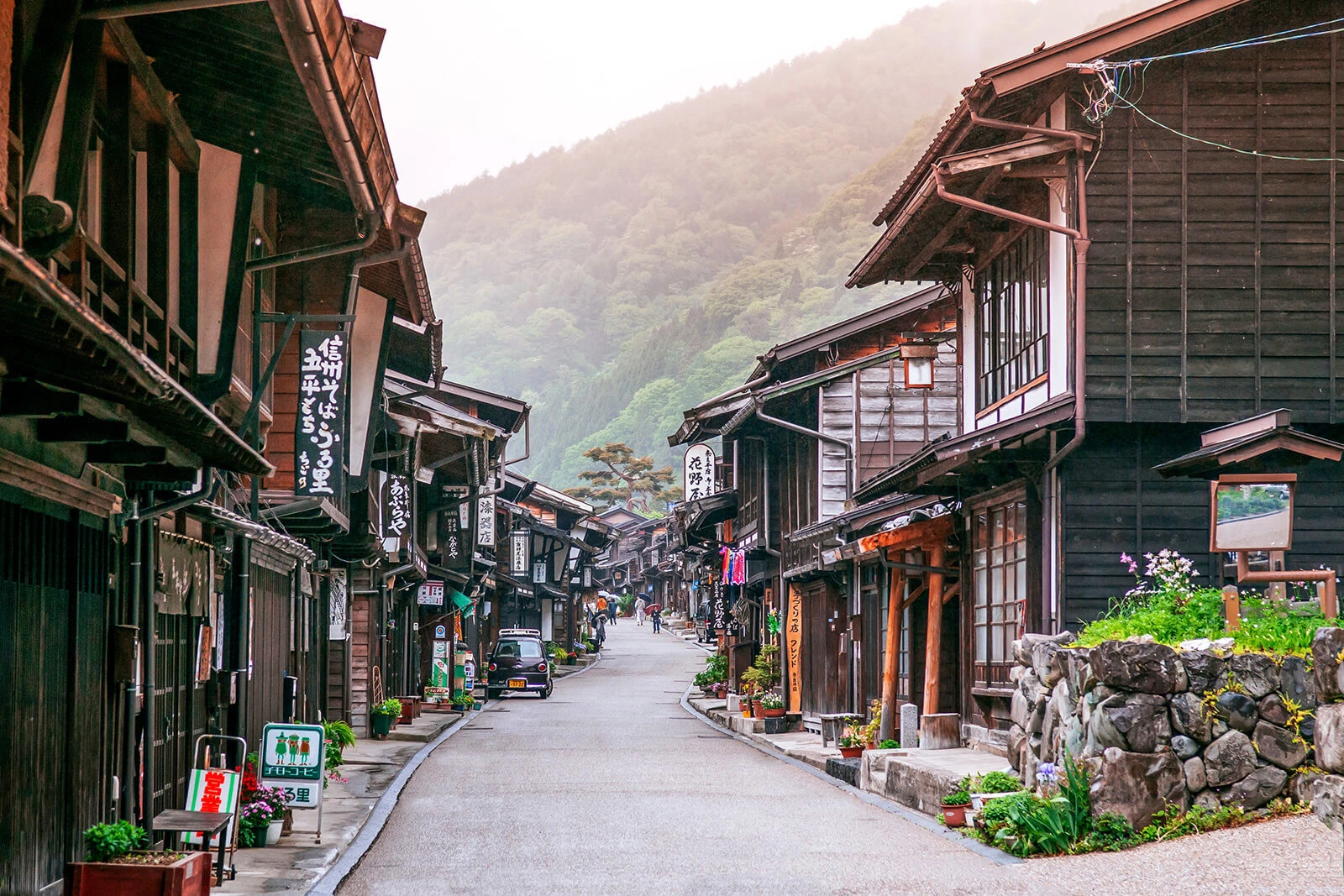
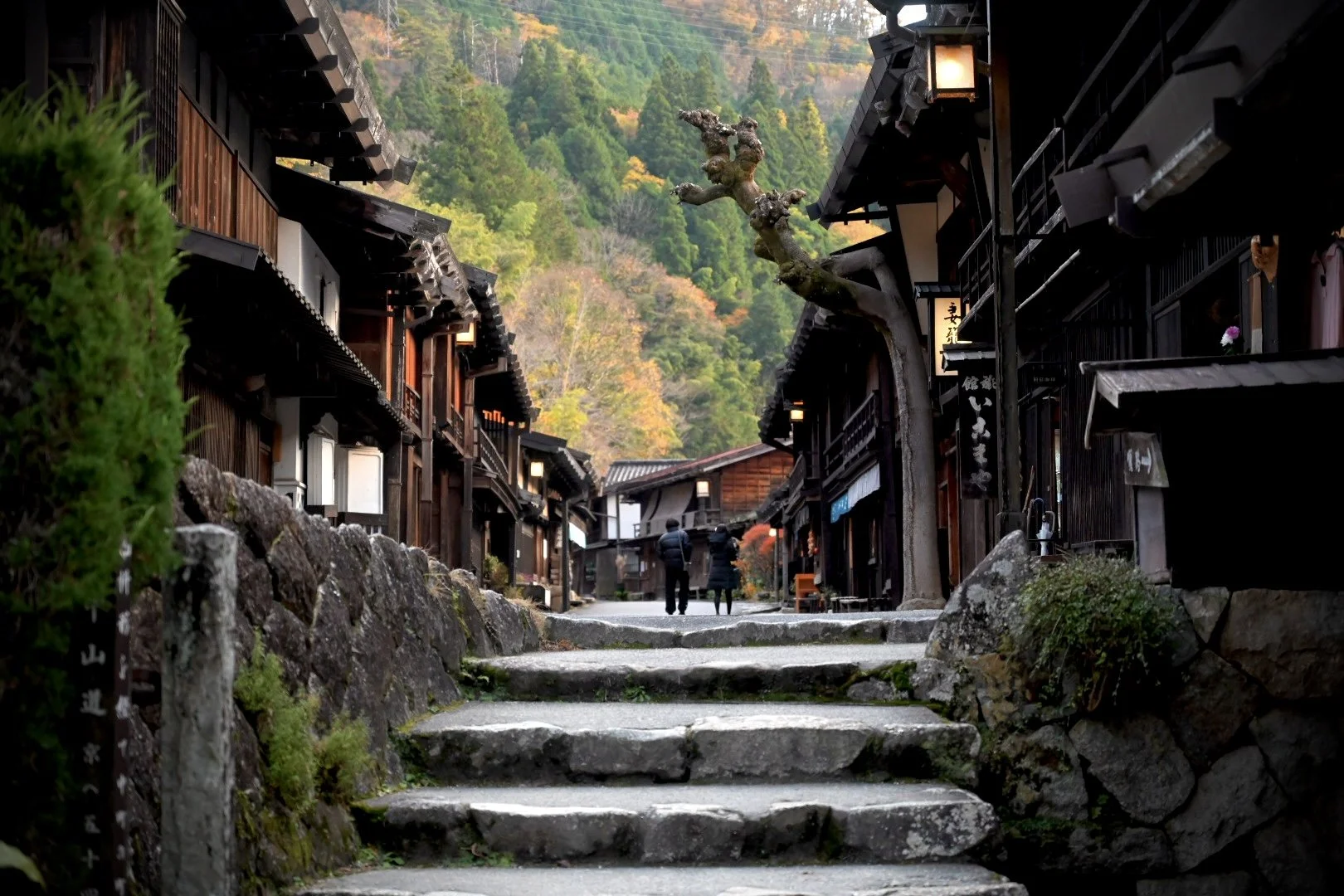
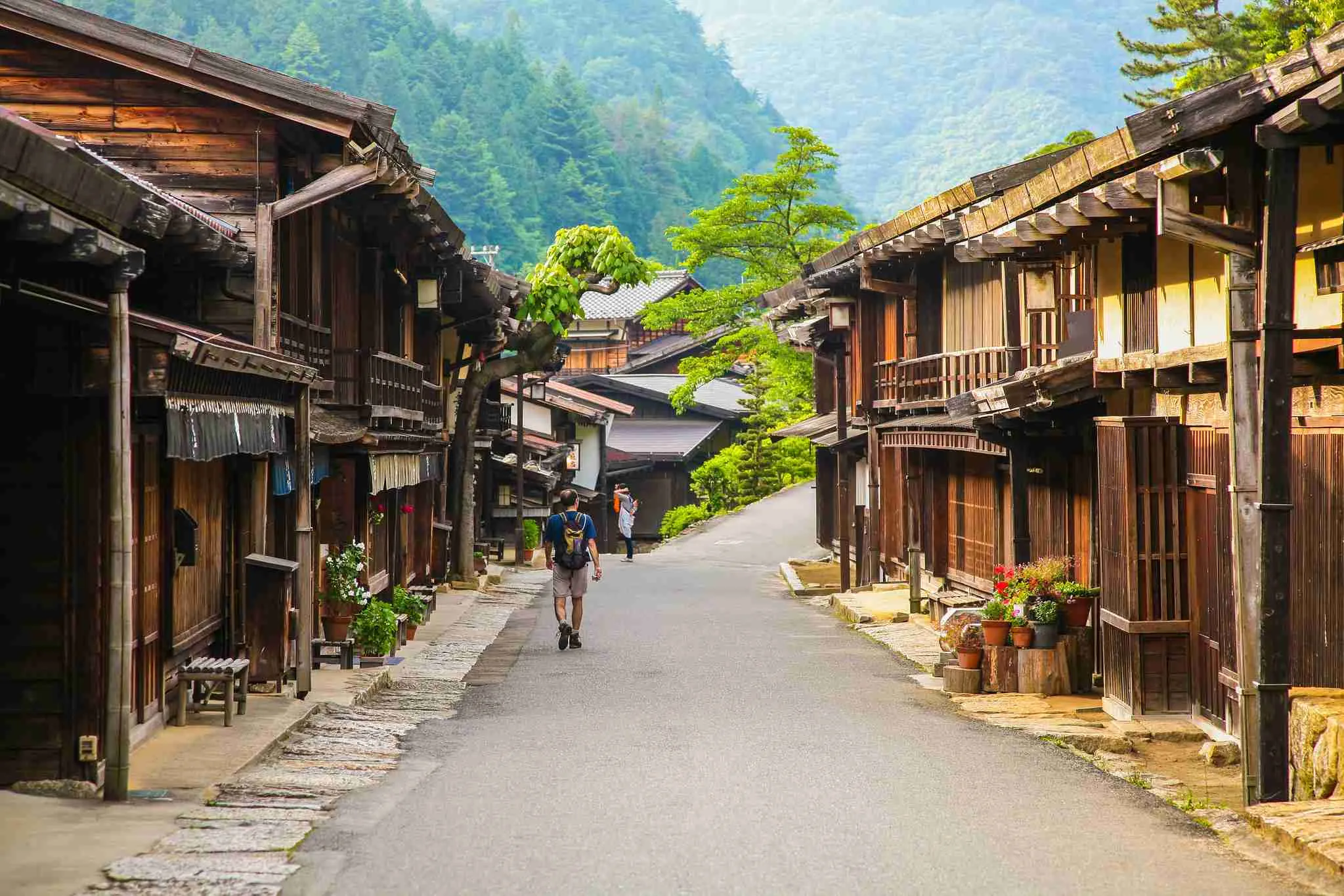
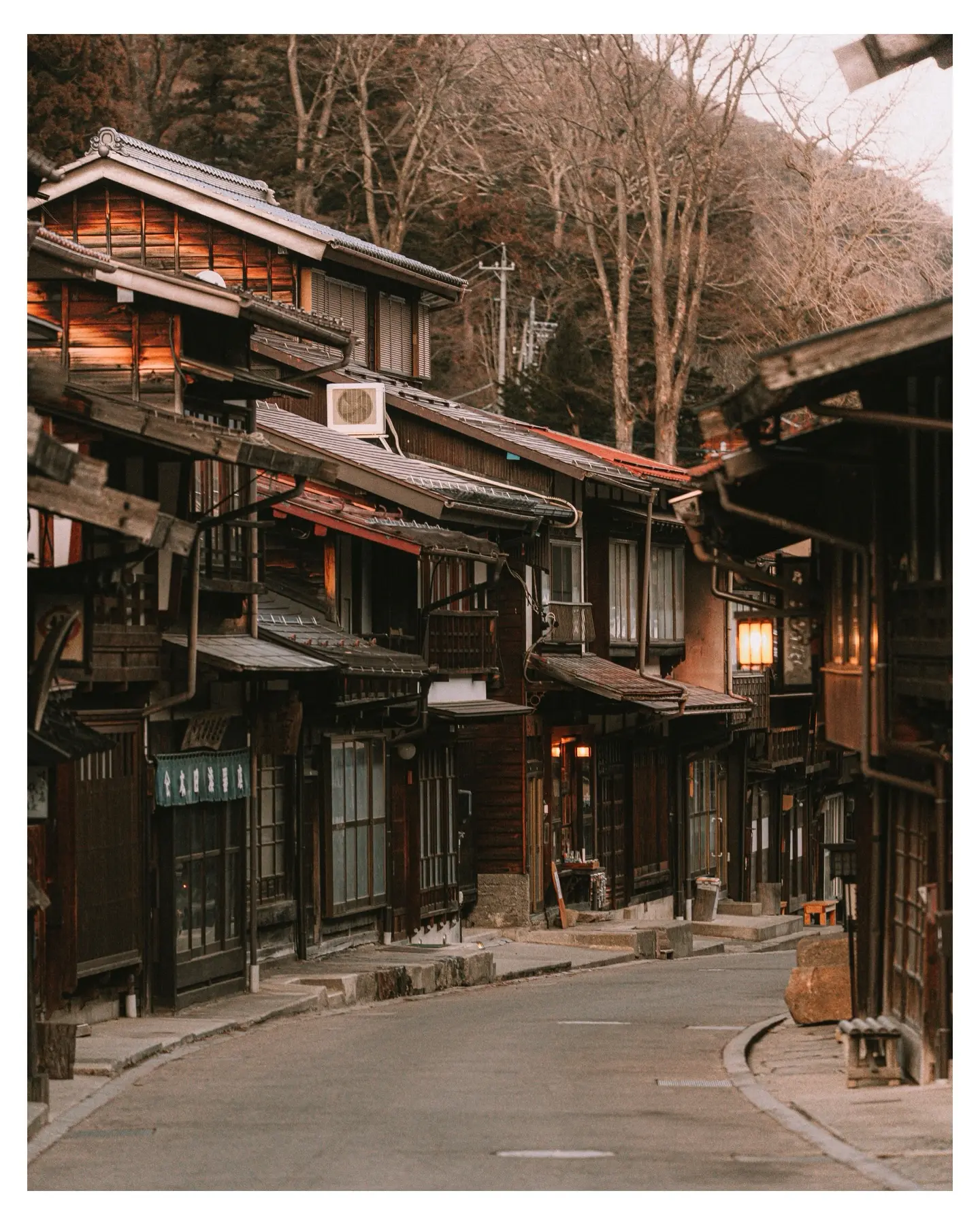
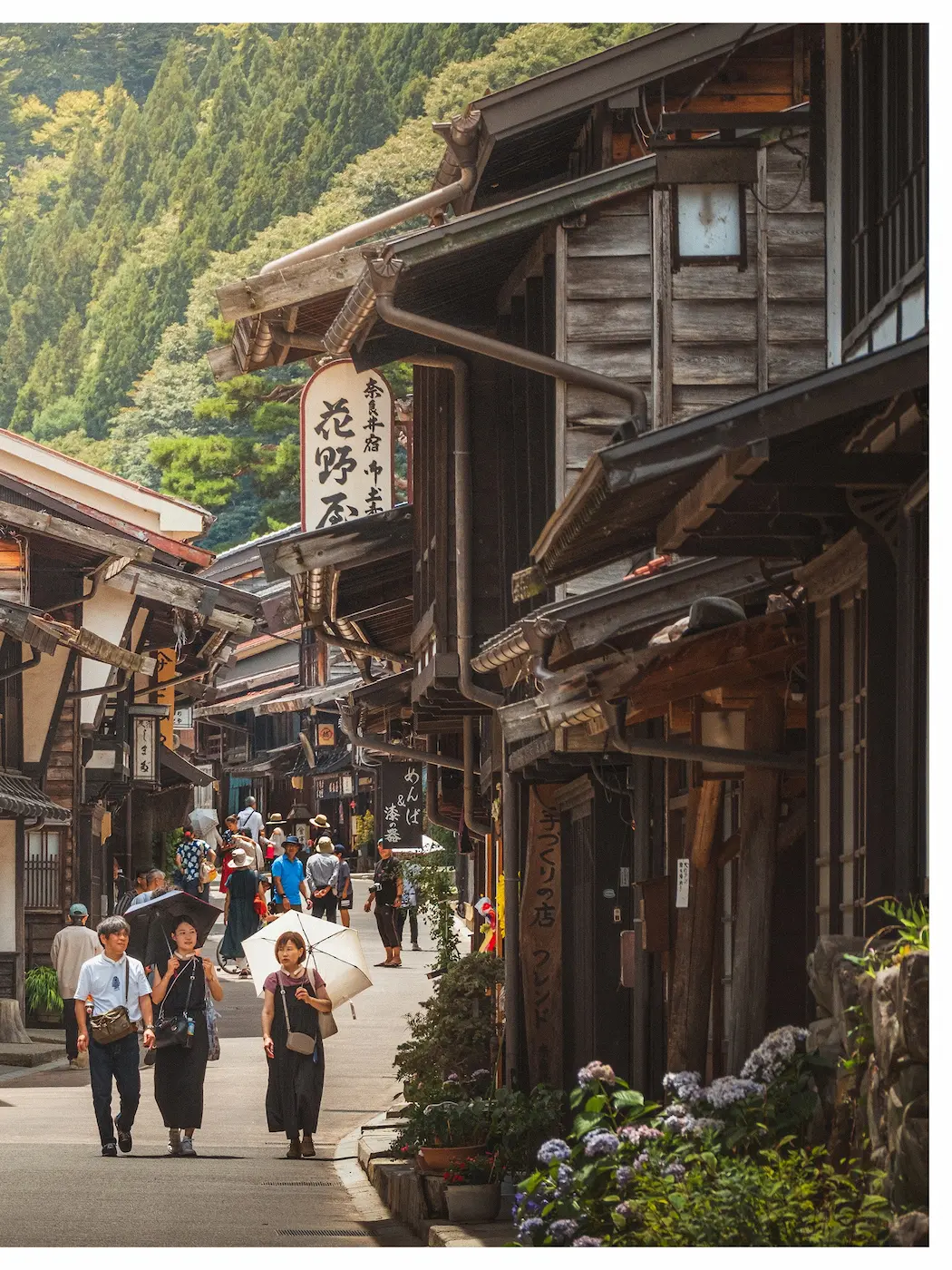
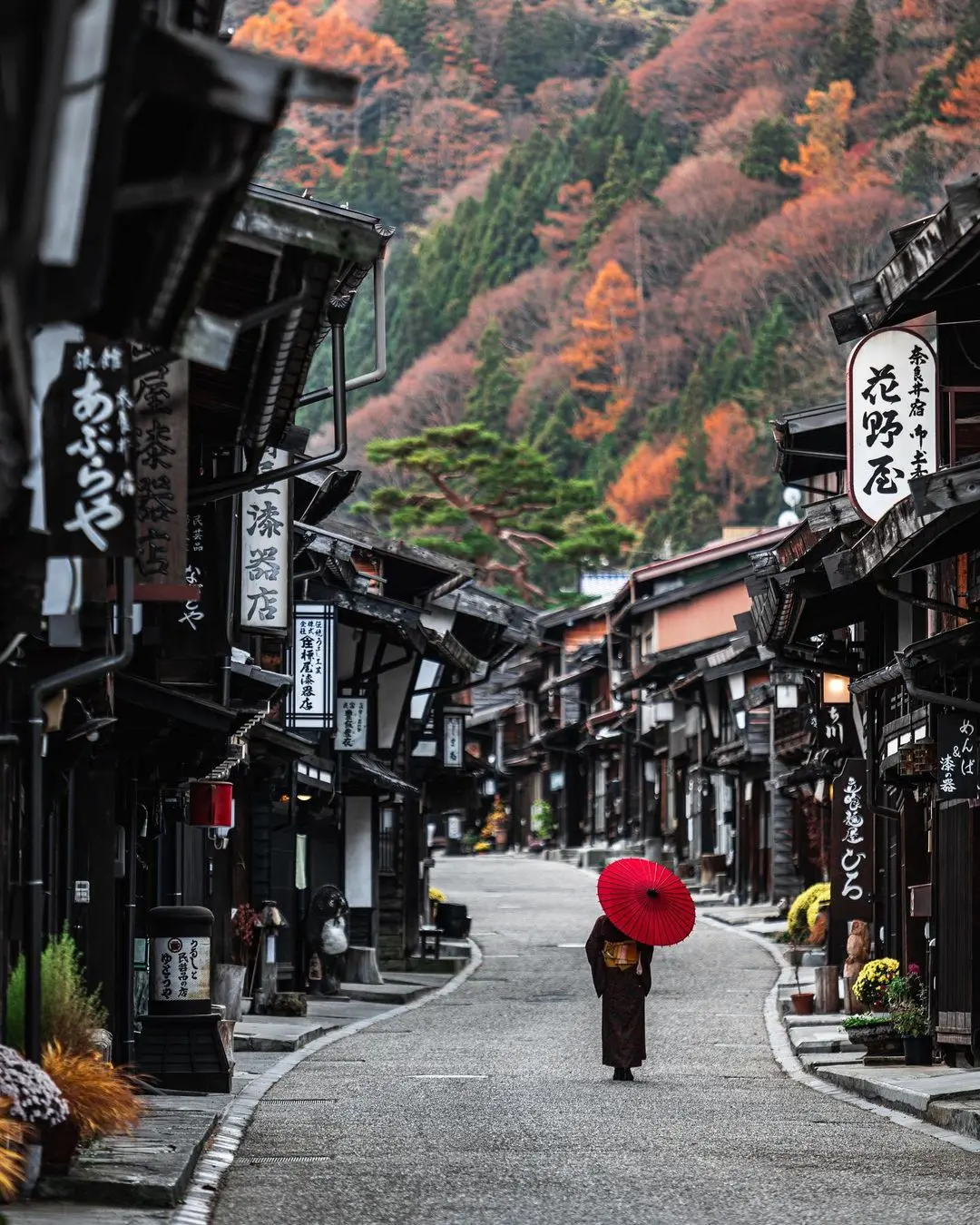
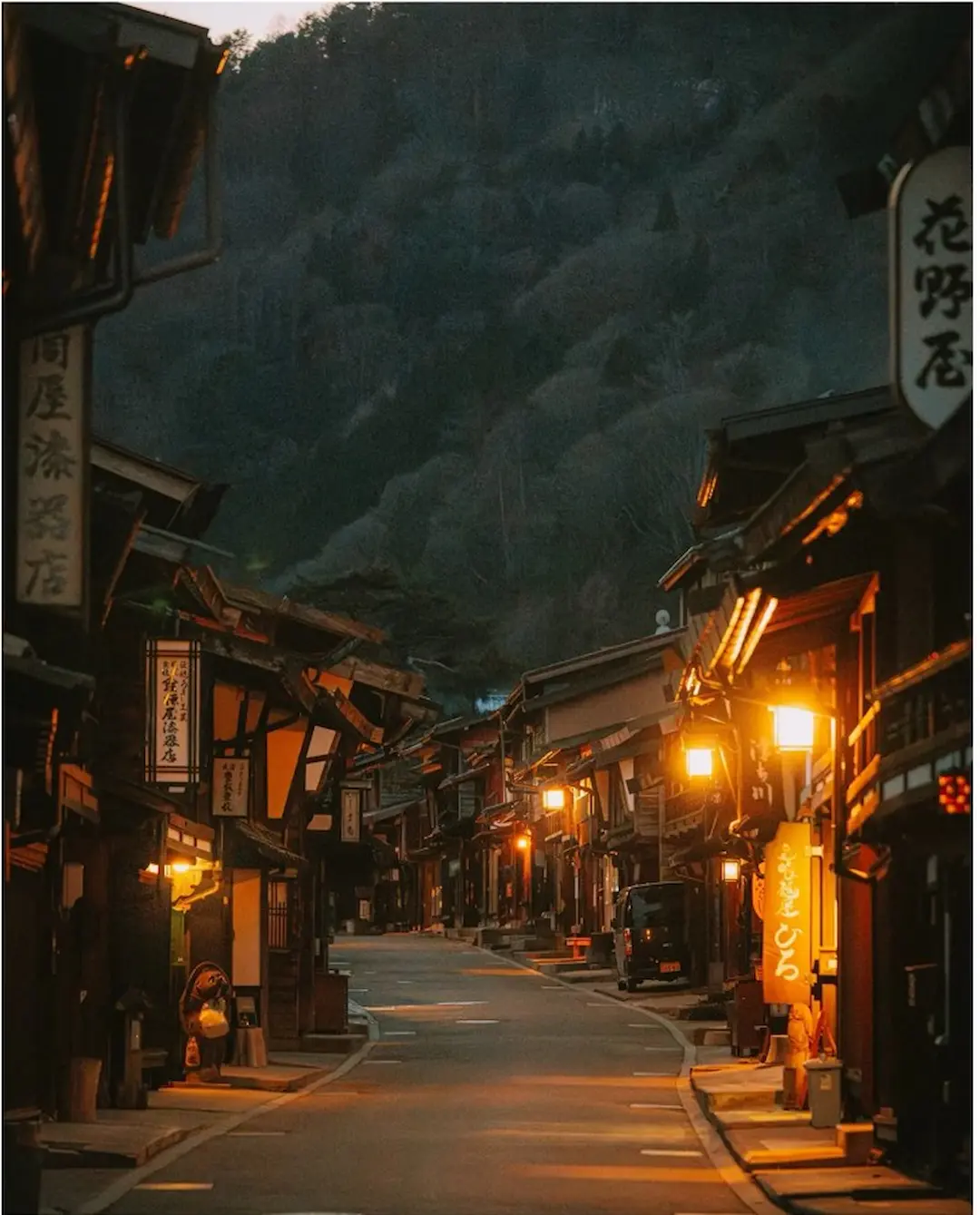
Narai-juku is one of the most atmospheric post towns on the old Nakasendo Trail route, and it is often called “Narai of a thousand houses” because of its remarkable length. Located in Nagano Prefecture’s Kiso Valley, this beautifully preserved town stretches for roughly one kilometre along the original highway, lined with wooden merchant houses, traditional lodgings and lattice-fronted shops dating back to the Edo period. As a result, a stroll down the main street feels like stepping directly into feudal Japan.
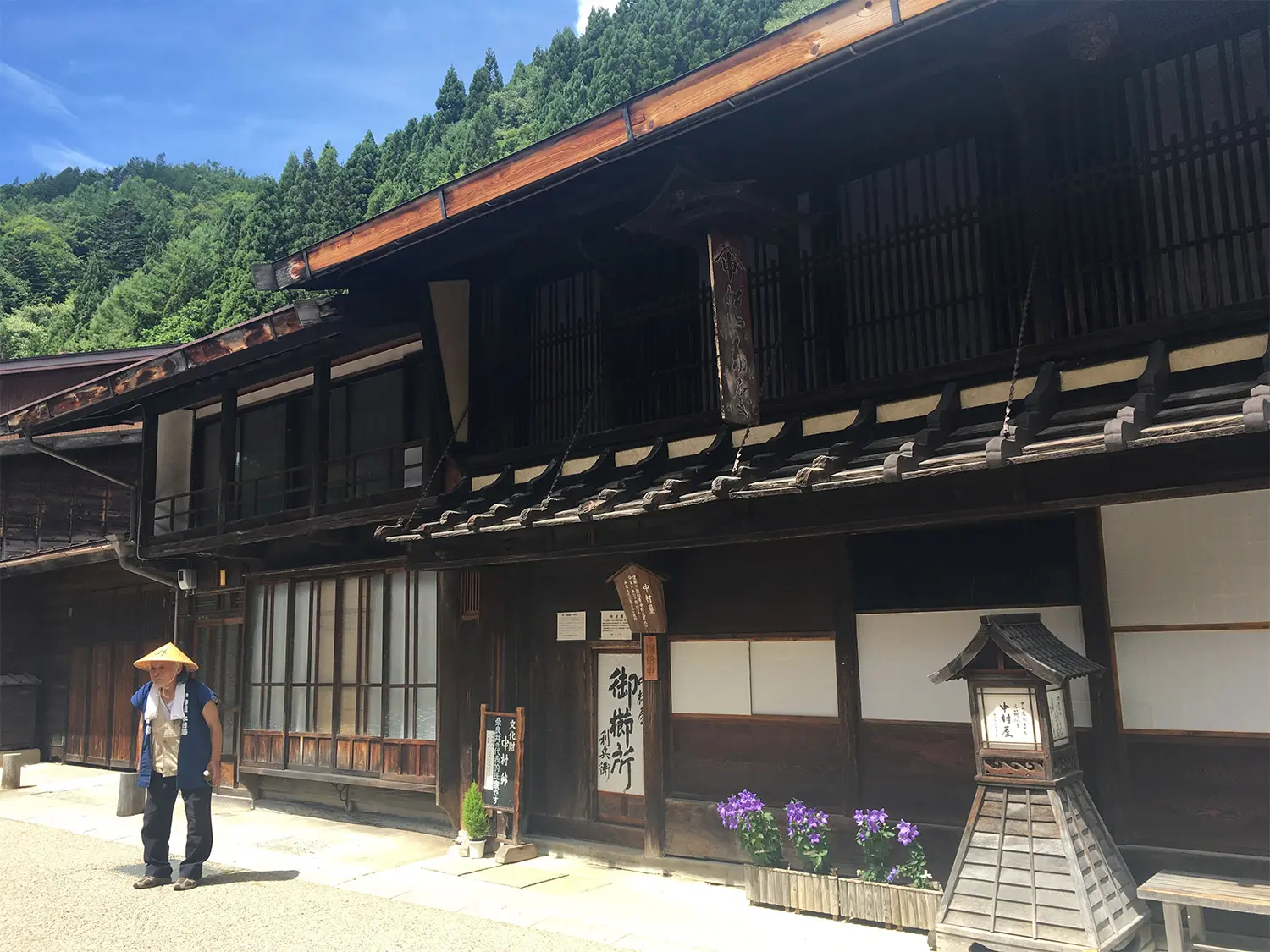
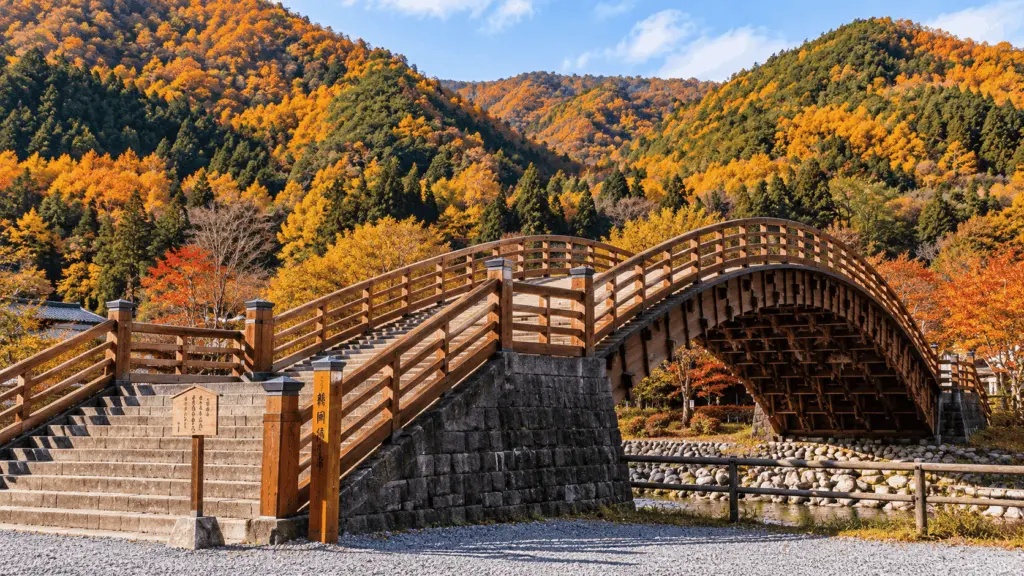
First, take time to admire the elegant architecture, including the Nakamura-tei residence and the Kamidonya Shiryokan, which offer a glimpse into daily life for merchants and travellers centuries ago. Next, visit the arched Kiso-no-Ohashi bridge, one of Japan’s largest wooden bridges, which makes a striking photo spot beside the river. Meanwhile, local craft shops sell lacquerware, a speciality of the region, so it is an ideal place to find authentic souvenirs. Finally, stop at a traditional café or restaurant to enjoy regional dishes such as soba noodles and gohei-mochi, before wandering to the Narai Shrine and the quiet temples at the edge of town.
To enjoy the Historic Town Narai Juku at its best, arrive early in the morning, since day-trippers are fewer and the light is perfect for photography. Because the town is easy to reach by train, take the JR Chuo Line to Narai Station, which is only a few minutes’ walk from the main street. Additionally, carry some cash, as many small shops and cafés do not accept cards.
Wear comfortable shoes for walking, and check opening hours in advance, since some museums close on certain days. For a more immersive experience, consider staying overnight in a traditional inn, where quiet evenings reveal the town’s most peaceful, lantern-lit charm.
Discover accommodation along Japan’s historic Nakasendo Trail, from Magome and Tsumago to the beautifully preserved post town of Narai-juku. Ideal for walkers and culture lovers, these traditional inns, hostels and guesthouses offer a peaceful Kiso Valley base for exploring Edo-period streets, traditional crafts, local cuisine, and scenic mountain trails.
Getting to Narai-juku is straightforward, as the town sits on the JR Chuo Main Line in Nagano Prefecture. From Tokyo, first take the Limited Express Azusa from Shinjuku Station to Shiojiri, which takes roughly three hours. From there, transfer to a local train bound for Kiso-Fukushima, and you will reach Narai Station in about 20 to 25 minutes.
Alternatively, travellers starting in Nagoya can ride the Limited Express Shinano to Shiojiri, which takes around two hours, before changing to the same local service. However, local trains run infrequently, so it is wise to check the timetable in advance. Once you arrive, the historic street is only a minute or two on foot from the station, which makes the town especially convenient for day trips.
Meanwhile, those who prefer to drive can follow the Chuo Expressway to Shiojiri, then continue along National Route 19 through the scenic Kiso Valley.
Finally, parking is available near the edge of the old town, so visitors can easily explore the preserved street on foot.
Narai-juku, the longest post town on the Nakasendo, flourished during the Edo period (1603-1868). The Nakasendo was one of five great highways linking Edo (Tokyo) and Kyoto through Japan’s mountainous interior, with 69 post stations along its route. Narai sat in the Kiso Valley at the foot of the treacherous Torii Pass, so travellers rested here before the steep climb. As a result, the town prospered and earned the nickname “Narai of a thousand houses.”
Local craftspeople also thrived. In particular, they became known for Kiso lacquerware and the Oroku comb, which travellers happily bought as souvenirs. Furthermore, inns, teahouses and merchant homes lined the street, serving samurai, officials and pilgrims alike.
Today, the town remains remarkably well preserved. Its wooden buildings, with their latticed windows and deep eaves, line a stretch of roughly one kilometre, and the area is a nationally designated Important Preservation District for Groups of Traditional Buildings. Moreover, because the Nakasendo later fell out of use, the town escaped modern redevelopment.
Narai is one of several remarkable post towns along the Kiso Valley section of the trail. Further south, Tsumago and Magome offer an equally atmospheric experience. In fact, the 8 km hiking path between these two villages is the most popular walk on the Nakasendo, passing waterfalls, forest and rural farmland. Consequently, many visitors combine all three towns to experience the full character of old Japan. For travellers seeking authentic culture away from the crowds, Narai-juku is an unforgettable stop.
Walking around Narai-juku (奈良井宿) | Nagano, Japan
Get useful hints for trekking the Nakasendo Trail in Nagano, Japan
To provide the best experiences, we use technologies like cookies to store and/or access device information. Consenting to these technologies will allow us to process data such as browsing behaviour or unique IDs on this site. Not consenting or withdrawing consent will adversely affect certain features and functions such as maps, booking forms and contact. Please contact us if you have concerns.