
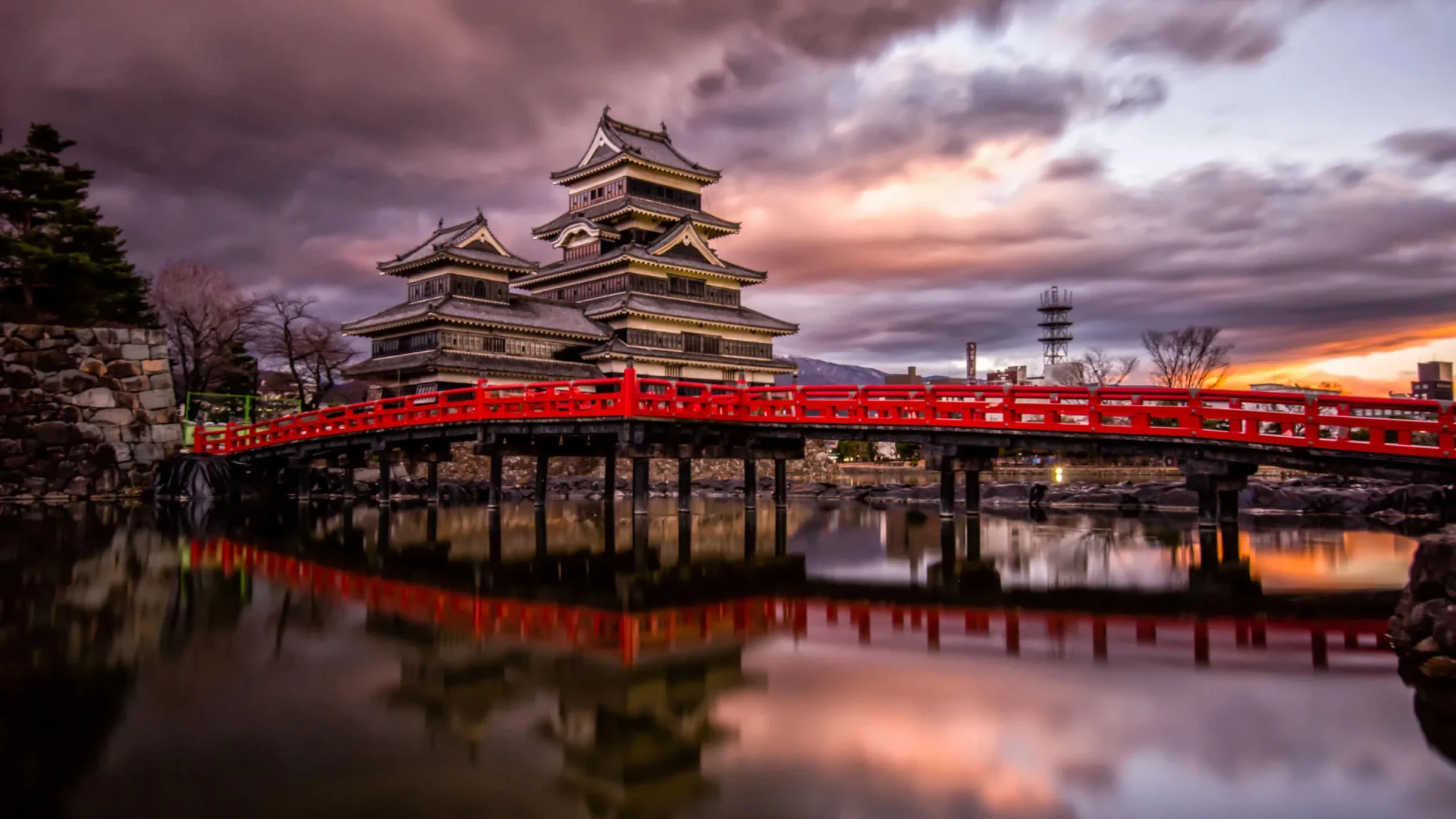
About Matsumoto Castle
Matsumoto Castle: Japan’s Historic National Treasure in Nagano
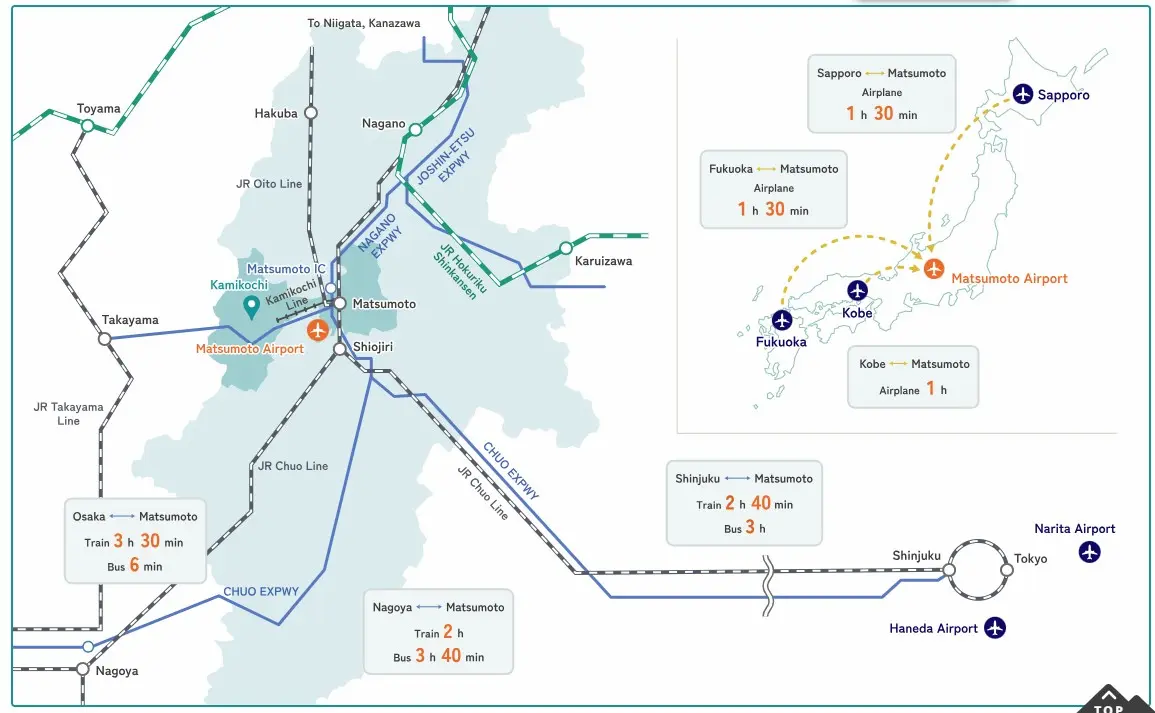
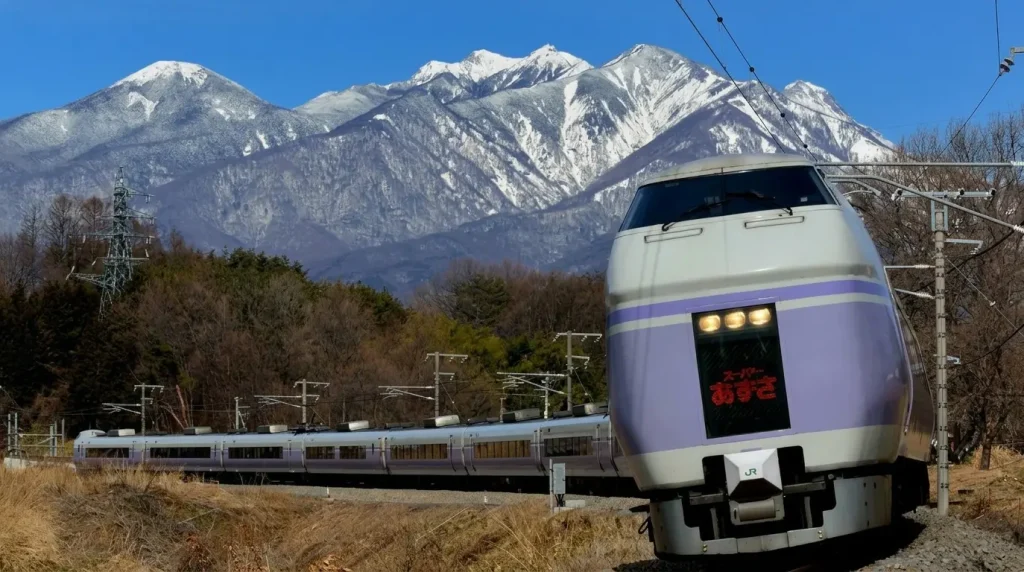
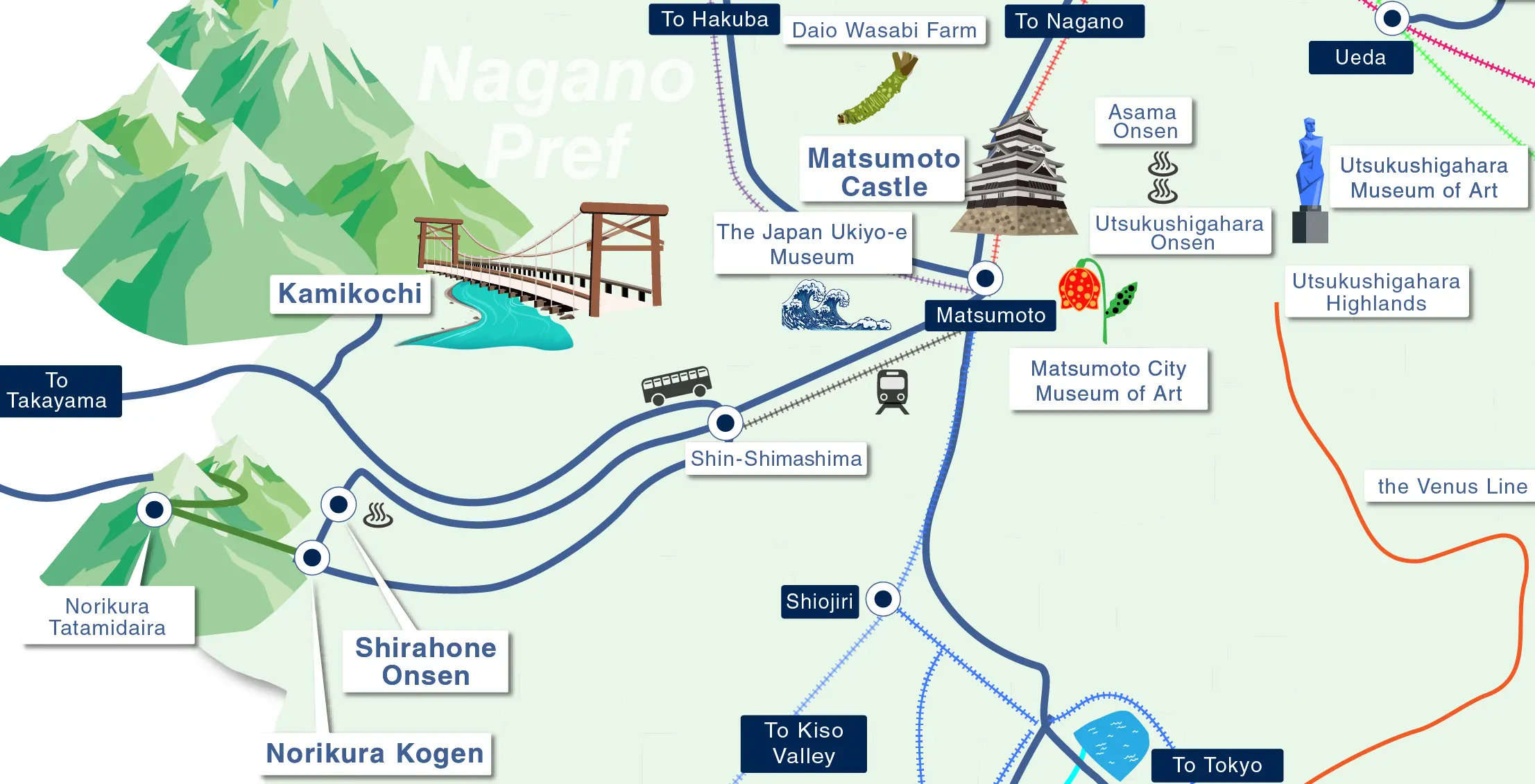
With over 400 years of history, Matsumoto Castle is a designated National Treasure and a must-see for every visitor to Japan. Originally known as Fukashi Castle, it served as a branch castle of the Ogasawara family throughout the long Warring States period. Today, it stands in the city of Matsumoto, Nagano Prefecture, and is easy to reach from Tokyo, Nagano and Hakuba by road or rail (see “Getting to Matsumoto” below).
A Rare Flatland Castle (Hirajiro)
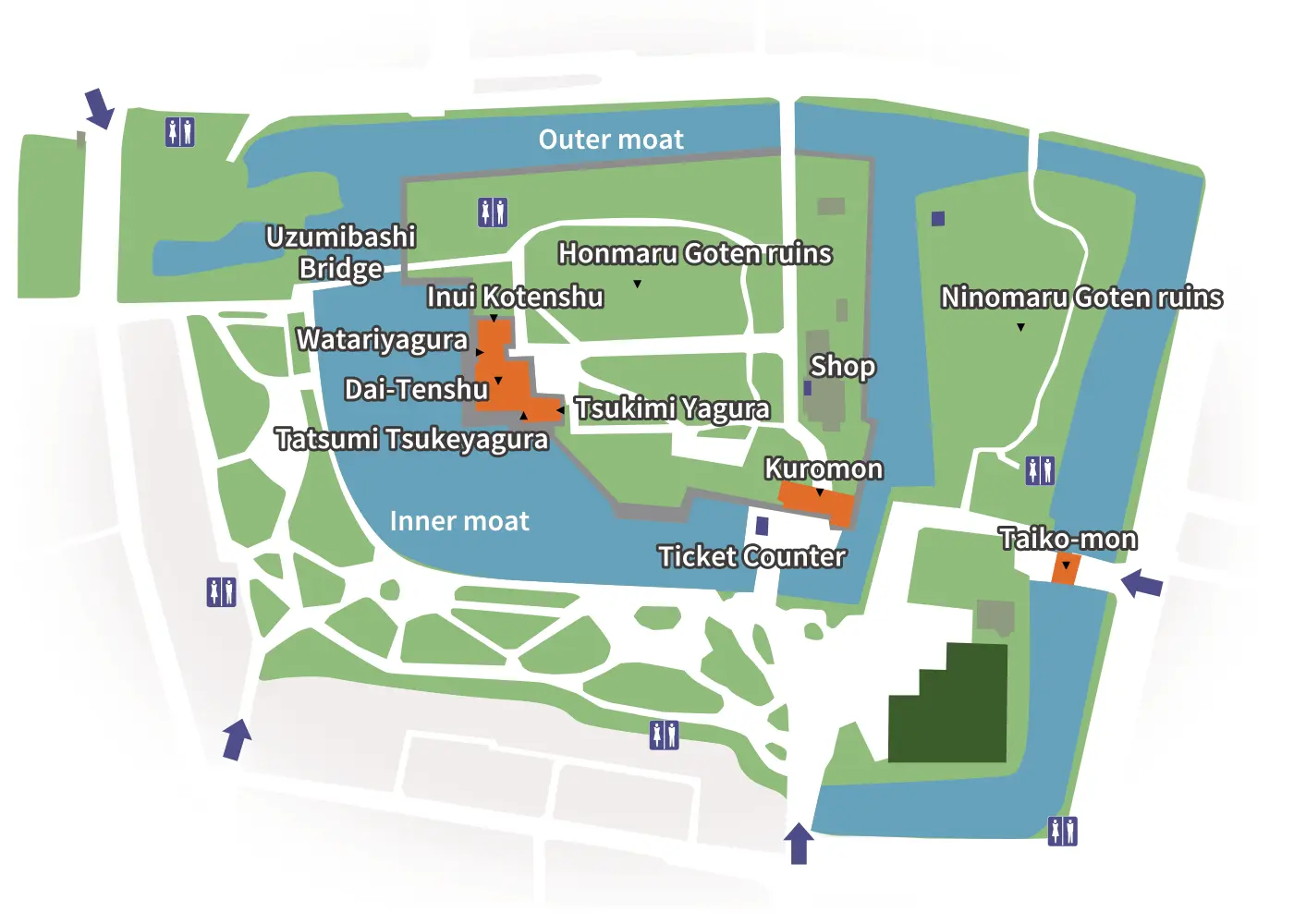
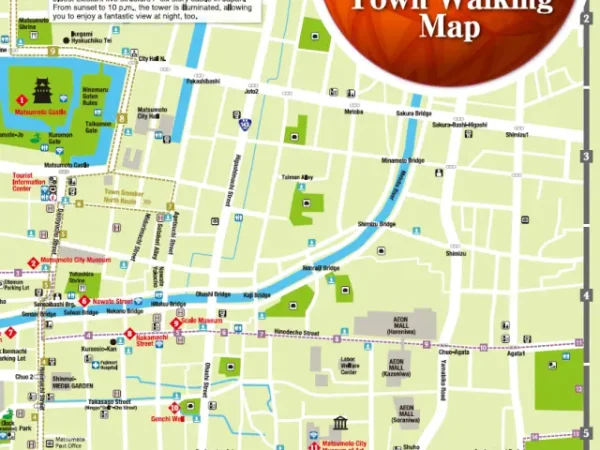
Unlike many Japanese castles, Matsumoto Castle is a flatland castle, or hirajiro. Rather than sitting on a hilltop or beside a river, it was built on an open plain. As a result, its original defences relied on an extensive network of interconnected walls, moats and gatehouses.
The Main Keep (Tenshukaku)
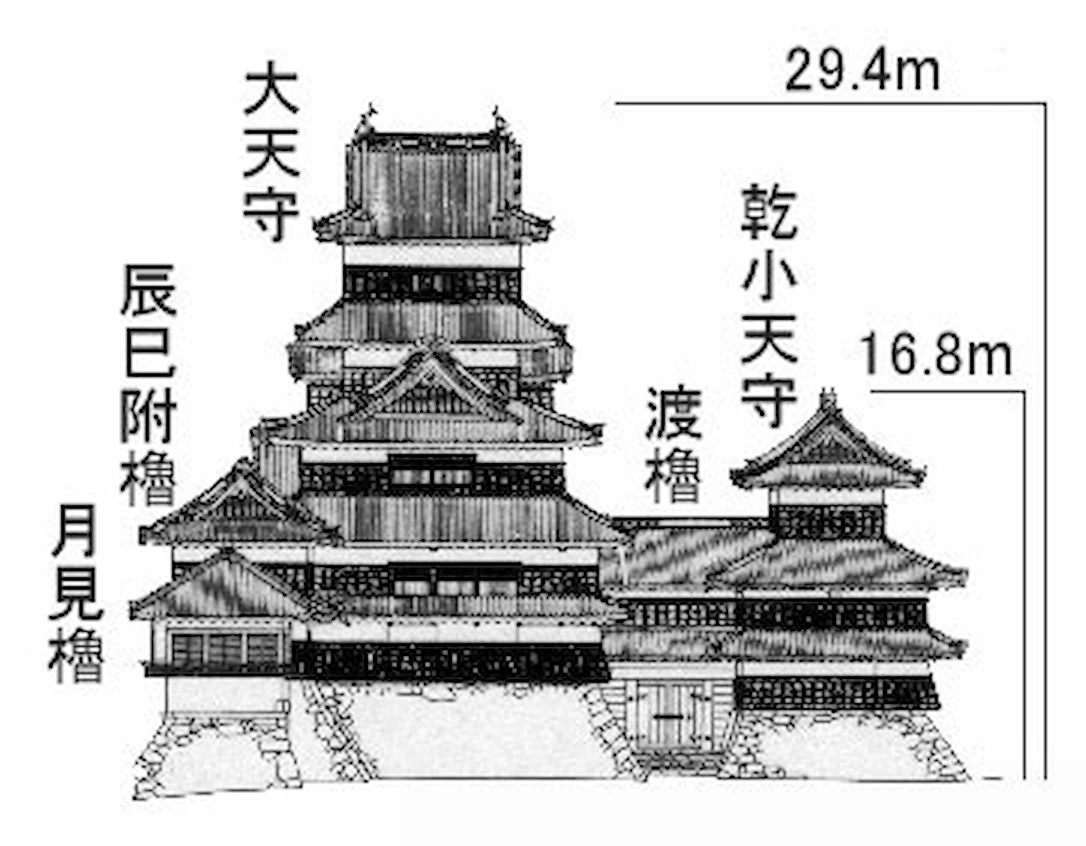
Without a doubt, the highlight of any visit is the main donjon, or keep (tenshukaku), completed in the late 16th century. Remarkably, it still retains its original wooden interiors and stonework.
Before entering, however, you first pass through a smaller keep called Inui Kotenshu, named for its position to the northwest (inui) of the main tower. From the outside, it appears to have three stories. In fact, it has four, as a hidden floor conceals additional defences. Although this minor keep is structurally independent of the main tower, a roofed passage connects the two.
Once inside, take a close look at the round wooden pillars. Since the entire castle was built using forced labour, these pillars were roughly hewn by hand with axe-like tools from hemlock, spruce and fir trees. In total, 10 round pillars support the first and second floors, while 12 pillars support the upper floors.
Teppo Gura Gun Museum
Furthermore, the second floor of the main keep houses Teppo Gura, a museum displaying historic guns, armor and other weapons. Every item on display belonged to the personal collection of Akahane Michishige, a local citizen. Together with his wife Kayoko, he assembled the collection over more than 30 years before donating it to the city in 1991.