Nagano Japan
Nagano Japan welcomes you! Enjoy our new ‘Nagano: Explore the Heart of Japan’ website exploring everything that Nagano has to offer!
Welcome to Nagano Japan
Nagano is one of Japan’s fastest-growing and most exciting destinations for international visitors. Stretching across the heart of the Japan Alps, Nagano Prefecture offers an extraordinary mix of world-class ski resorts, historic towns, hot springs and mountain scenery that few other regions in the country can match.
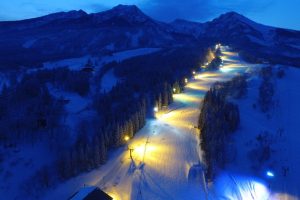
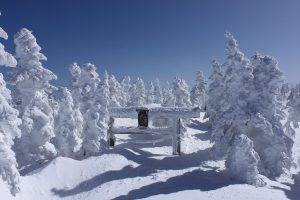
In winter, powder-rich resorts like Hakuba, Nozawa Onsen and Shiga Kogen draw skiers and snowboarders from around the world, while the famous snow monkeys of Jigokudani soak in their steaming onsen pools. Come spring and summer, explore the Kiso Valley’s preserved post towns along the Nakasendo trail, visit Matsumoto Castle, one of Japan’s oldest original castles, hike the Northern Alps, or escape to the resort town of Karuizawa. In the city of Nagano itself, Zenko-ji Temple has welcomed pilgrims for over 1,400 years.
Whatever the season, Nagano delivers an authentic Japan experience with fewer crowds than Tokyo or Kyoto, and it’s easily reached by bullet train from Tokyo in around 90 minutes. If you’re coming to Japan, put Nagano on your itinerary. You won’t be disappointed.
Reasons to visit Nagano
Nagano’s natural environment also draws skiers to resorts in the nearby Japan Alps such as Madarao Kogen, Nozawa Onsen, Shiga Kogen, Hakuba, Togari Onsen and Togakushi, as well as the many ski resorts of nearby Myoko Kogen – just across the border. Nature lovers, bird watchers and hikers are attracted by the region’s many parks and forests such as in Togakushi Village.
Deep within the Joshin-Etsu Kogen National Park near Yudanaka Onsen is also a famous small valley called Jigokudani Yaen-koen where, during the winter, visitors can walk amongst hundreds of wild Japanese Macaques (more popularly known as Japan Snow Monkeys) who come down from the mountains to warm themselves in the hot springs by the Yokoyu River.
Golf is also a popular pastime in Nagano with many high quality courses, all within easy reach of Nagano City or one of it’s many quaint towns and villages. There is plenty of history to discover, such as Zenkoji Temple, Togakushi Village, Matsushiro, Matsumoto Castle and much, much more.
Finally there are always plenty of onsen hot springs to relax in such as Togari Onsen, Nozawa Onsen, Hakuba, Shibu Onsen, Yudanaka Onsen and Togura-Kamiyamada Onsen, or summer escapes in Lake Nojiri.
Come enjoy the four seasons of Nagano with us!
Nagano Accommodation
Get a great hotel deal in Nagano!
Nagano is the heart of the Japanese Alps, where snow-capped peaks, steaming onsen towns and centuries of tradition sit side by side. Whether you’re chasing powder or soaking up culture, our guide will help you find the right base.
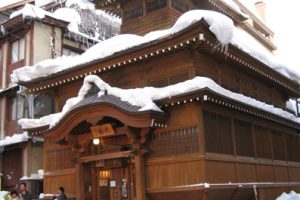
To begin with, Nagano City is home to Zenkoji Temple, one of Japan’s most revered pilgrimage sites. From there, head north to the world-class slopes of Hakuba and the vast linked terrain of Shiga Kogen. Meanwhile, the quieter, family-friendly snowfields of Madarao Kogen and Togari Onsen offer a more relaxed pace. Nozawa Onsen, in contrast, charms with its wooden bathhouses, natural hot springs and lively village atmosphere, while Togakushi Village adds ancient mountain shrines, fresh soba and peaceful forest walks.
Besides skiing, nature lovers can watch the famous Snow Monkeys bathing in their hot spring. Afterwards, unwind beside the tranquil shores of Lake Nojiri. Just across the border in Niigata, Myoko Kogen also rewards visitors with some of Japan’s deepest snowfall and an authentic mountain-town feel.
Whatever your plans, we have options to suit. Moreover, from ski chalets and ryokan to apartments and guesthouses, browse our selection and find your perfect stay.

Hakuba
Olympic-famous alpine resort with huge terrain, deep powder plus vibrant dining and nightlife.
Myoko Kogen
Niigata’s deep-snow region, with five resorts, onsen towns and authentic mountain character.
Shiga Kogen
Japan’s largest linked ski area, with high-altitude snow and quiet, uncrowded forest runs.
Snow Monkeys
Wild macaques bathing in natural hot springs plus historic paved streets and inns.
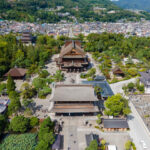
Nagano City & Zenkoji
Historic pilgrimage city with Zenkoji Temple, excellent food, & easy travel access from Tokyo.
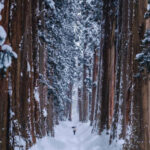
Togakushi
Mystical mountain shrines, famous soba noodles and peaceful cedar forest walks.
Madarao
Quiet, family-friendly resort known for tree skiing, light powder and relaxed pace.
Togari Onsen
Small, welcoming ski area with varied terrain, hot springs and relaxed village atmosphere.
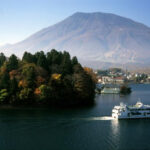
Lake Nojiri
Tranquil lakeside retreat with scenic walks, water sports, cafes and seasonal beauty.
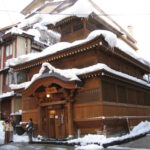
Nozawa Onsen
Charming rustic village with powder snow, public hot spring baths and lively atmosphere.
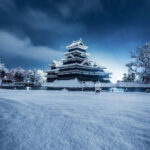
Matsumoto Castle
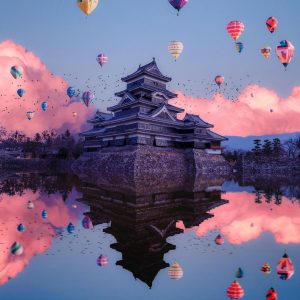
Japan’s oldest surviving five-tiered castle, known as the Crow Castle for its black walls.
Check your Nagano hotel location on the map below
Nagano Live Webcams
Visit our Nagano webcams page! Check out snow and weather conditions around the Nagano, Hakuba, Togakushi, Nozawa Onsen, Matsumoto, Snow Monkeys, Shiga Kogen, Myoko and many other Nagano areas via our Nagano webcams.
Latest photos from Nagano
Nagano Information
Weather and Snow
Get the latest Nagano weather information and Nagano Snow Reports here and keep up with all the forecasts for the Nagano and Myoko ski resorts
Onsen Hot Springs
The many Nagano onsen (natural hot springs) located in and around the Nagano Alps are renowned for their charm. Discover more.
Send your bags
Need to send your skis and/or luggage? Or require temporary storage in Nagano or elsewhere? Search all options here.
Places to visit in and near Nagano
There are lots of great places to visit in the areas surrounding Nagano City and across the border in JoetsuMyoko, including more than 25 ski resorts.
Nagano has relatively fewer attractions than some of the more famous Japanese tourist meccas; however, the city’s location amongst the Japan Alps helps provide a unique variety of sites with historical, cultural, and natural characteristics that are hard to match elsewhere in the country.
A visit to the Nagano area would not be complete without seeing the Japan Snow Monkeys in Jigokudani Monkey Park (地獄谷野猿公苑 Jigokudani Yaen Kōen) in Yamanouchi Town, Nagano Prefecture. It is a popular day trip from Nagano and transport is easily available.
Mount Madarao is located deep within the Japan Alps, making it an excellent retreat during any of the four seasons. Here you can experience “ancient” Japan by visiting the many remaining temples or just by viewing its traditional landscapes that are spread across the region.
Nozawa Onsen is a charming hot spring village just one hour’s drive from Myoko Kogen. The village is said to date back to 8th century but has been renowned for it’s hot springs and traditional inns since the Edo period. Today it is also renowned for it’s powder snow experience.
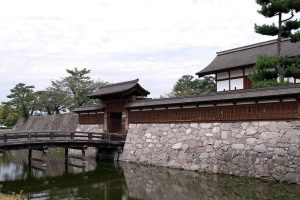
Matsumoto Castle is Japan’s oldest castle. It also known as the “Crow Castle” (烏城 Karasu-jo) because of its black exterior. Matsumoto Castle is the oldest existing castle in Japan and one of Japan’s premier historic castles. It is about 30-45 minutes drive from Nagano City.
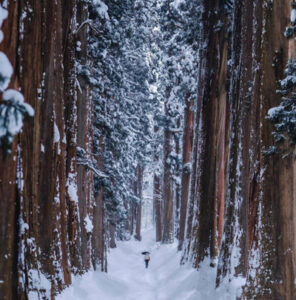
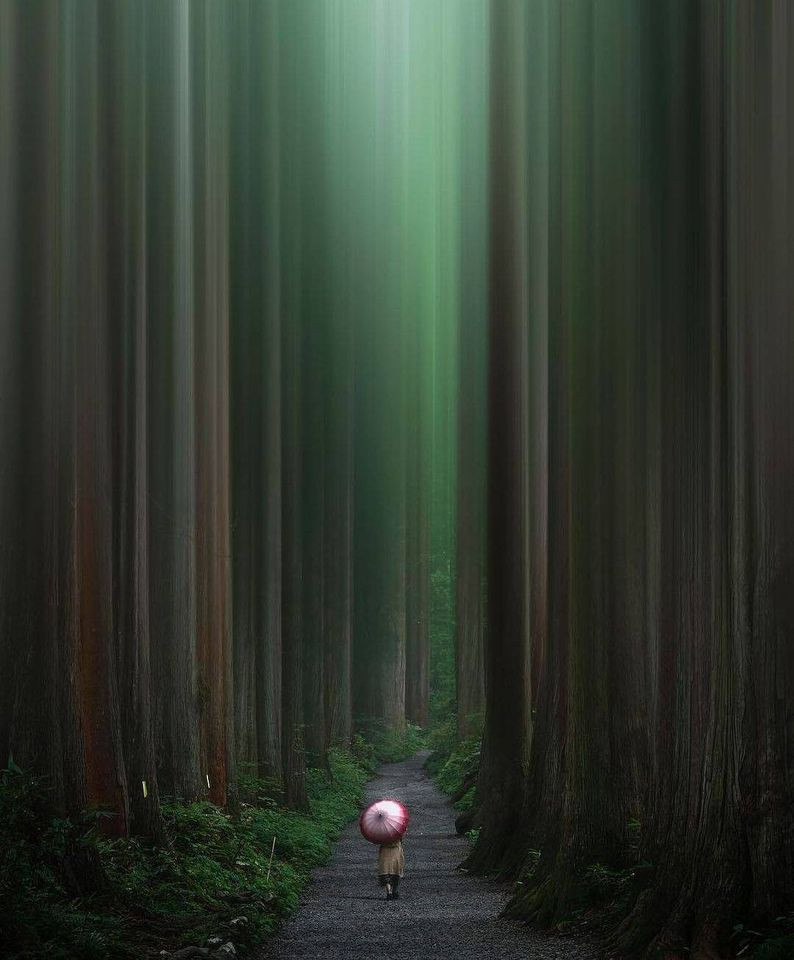
Togakushi Village is an ancient Japanese village with the famous Togakushi Shrine nestling amongst 900 year old cedars. Just 30 minutes from Nagano, Togakushi is famous for its natural beauty, deep history, walking trails and spiritual significance.
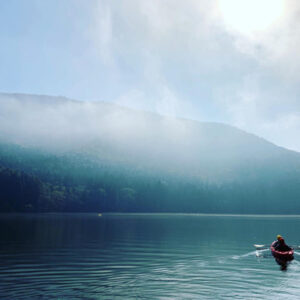
Lake Nojiri (Nojiriko), located in the mountains of Nagano Prefecture’s Joshinetsu Kogen National Park, offers the perfect summer escape for lovers of the great outdoors. Nojiri Lake is an ancient glacial lake – Nagano’s second largest. A short 30 minute drive from Nagano.
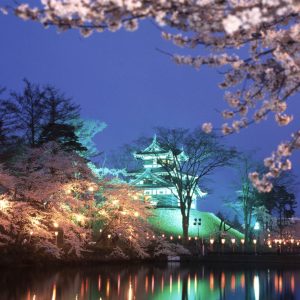
There are many things to do in Joetsu City by the Japan Sea. From cycling along the Japan Sea, to vineyards, sandy beaches, a ski museum, different events, cherry blossom viewing in Takada Park, soaking in the local onsen as well as lots of shopping therapy!
Hakuba, nestled in the Nagano’s Northern Japan Alps, is one of Japan’s premier mountain destinations. Famed for world-class powder skiing, it hosts multiple resorts and an Olympic legacy. In warmer months, enjoy alpine hiking, crystal-clear lakes, and hot springs, all complemented by welcoming restaurants and relaxed village charm.
Myoko Kogen, just across the border from Nagano in Niigata Prefecture, is a snowy mountain region famed for deep, reliable powder and uncrowded slopes. Its five main ski areas, traditional onsen villages, and welcoming local culture offer authentic Japan. In summer, enjoy hiking, lakes, and fresh regional cuisine. The area is renowned for it’s rice and sake.
Matsushiro, formerly a historic castle town in it’s own right is now part of Nagano City, preserving the legacy of the Sanada samurai clan. Wander its streets past restored samurai residences, the Bunbu Gakko academy, and castle ruins, explore the wartime Underground Imperial Headquarters tunnels, and soak in an onsen for a peaceful, authentic taste of Japan.
Togura Kamiyamada Onsen, in Chikuma City, Nagano, is a peaceful & retro hot spring town beside the Chikuma River. Soak in soothing mineral waters at traditional ryokan, stroll quiet riverside streets, and enjoy local Shinshu cuisine. Easily reached from Nagano and Ueda, it’s a truly relaxing base for exploring the region’s historic sites and spring apricot blossoms.
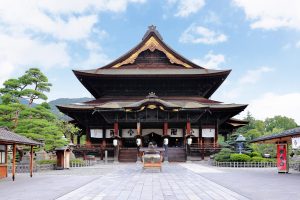
Zenkoji Temple, founded in the seventh century, is one of Japan’s most treasured Buddhist sites and the heart of Nagano. Pilgrims and visitors come to see its grand main hall, walk the approach lined with shops, and experience the dark underground passage leading toward salvation.
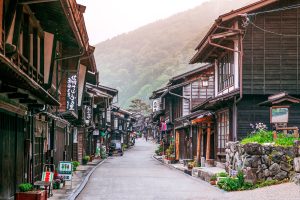
Narai-juku, in Shiojiri, Nagano, is a beautifully preserved Edo-period post town on the historic Nakasendo route. Stroll its kilometre-long street lined with traditional wooden inns, lacquerware shops, and tea houses, and step gently back in time. Its famous nickname is “Narai of a Thousand Houses.”
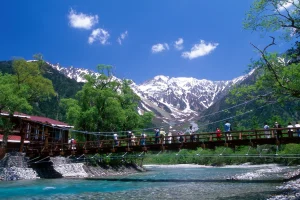
Kamikochi, a pristine highland valley in Nagano’s alps, is one of the country’s most celebrated natural wonders. Walk gentle riverside trails beneath towering peaks, admire the crystal-clear Azusa River, iconic Kappa Bridge, plus enjoy spectacular alpine scenery from spring through autumn.
Shiga Kogen, in Nagano’s Joshinetsu Kogen National Park, is Japan’s largest ski area, linking over a dozen interconnected resorts with vast terrain for every level. With the famous snow monkeys nearby, it offers reliable powder, scenic highland trails in summer, and soothing onsen year-round
Transport Options
Aside from public transport there are several private and group direct transfer options for Nagano, Myoko Kogen and other local resorts. There are also inter-resort transfer options available to Madarao, Myoko Kogen, Nozawa Onsen, Hakuba, Nagano and Shiga Kogen.
¥13,900
Per adult guest
Airport to Nagano & Resorts
Coach transfer
Set schedule
¥119,000
Group of 4+
Door to Door
Private direct access
Meets your flight
Nagano Car Rental
Coming to ski in Japan and thinking about a Nagano car rental? Increasingly in recent years many visiting skiers to the region choose to rent a car in Nagano for their ski trip. Whilst it is not always straightforward to rent a car in Nagano, neither is it too difficult.
History of Nagano
Nagano Prefecture occupies the old province of Shinano, a mountainous inland region that has been settled since the Jomon period. Its name appears in the earliest Japanese chronicles, and for centuries it was a crossroads linking the Kanto plain with the Sea of Japan coast and the Kansai region.
In the medieval era, Shinano was contested by powerful warlords. The Takeda and Uesugi clans famously clashed in the Battles of Kawanakajima in the 16th century. Later, the Sanada clan of Ueda rose to prominence, resisting Tokugawa forces before the Edo period brought relative stability. Under the shogunate, the Nakasendo and Hokkoku Kaido highways carried travellers and pilgrims through post towns such as Narai and Tsumago, and Zenko-ji temple in Nagano city became one of Japan’s great pilgrimage destinations.
After the Meiji Restoration, the prefecture took its modern form in 1871. Silk reeling became the economic backbone, with Suwa and Ueda among the leading centres, and Nagano supplied much of Japan’s export silk. Railways opened the region further in the late 19th and early 20th centuries.
In the postwar period, precision manufacturing and tourism grew. The 1998 Winter Olympics put Nagano on the world stage, bringing the Shinkansen and expressway links, and cementing the region’s reputation for alpine skiing and snow sports.
Getting to Nagano
How easy is it to get from Tokyo or other places to Nagano?
Getting to Nagano region from Tokyo and other major Japanese cities via public transport is straightforward. If you are wanting to travel Tokyo to Nagano via taxi, bus service or Nagano shuttle please see the information here. Wanting to travel around Nagano Prefecture? Go here for maps, schedules and fares.